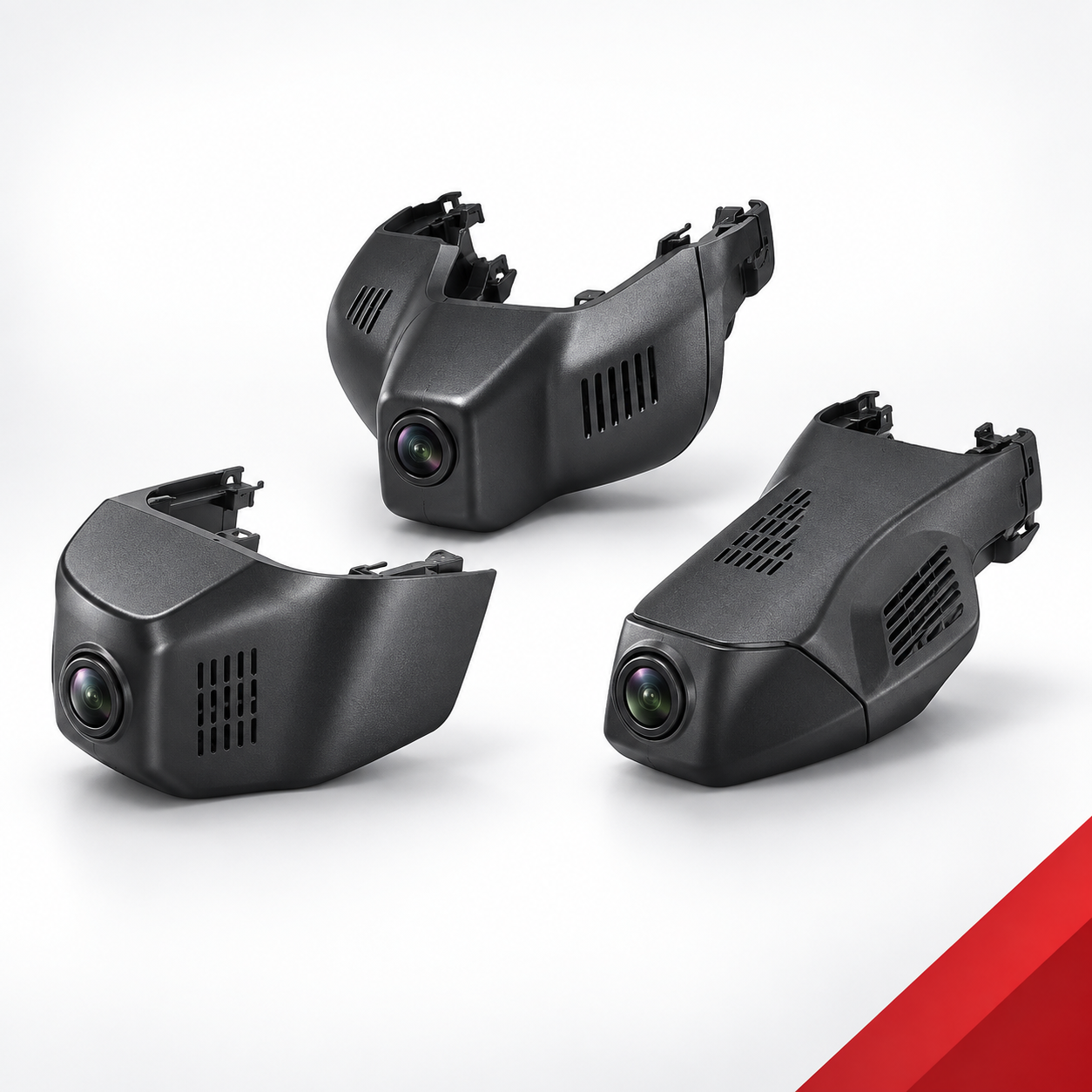

Vehicle-specific OBD modules can add automatic locking, unlocking, window closing, sunroof closing or warning functions to defined vehicle platforms. They should not be sourced as universal plug-in accessories. A reliable B2B program starts with a verified application list, exact function matrix and representative-vehicle testing.
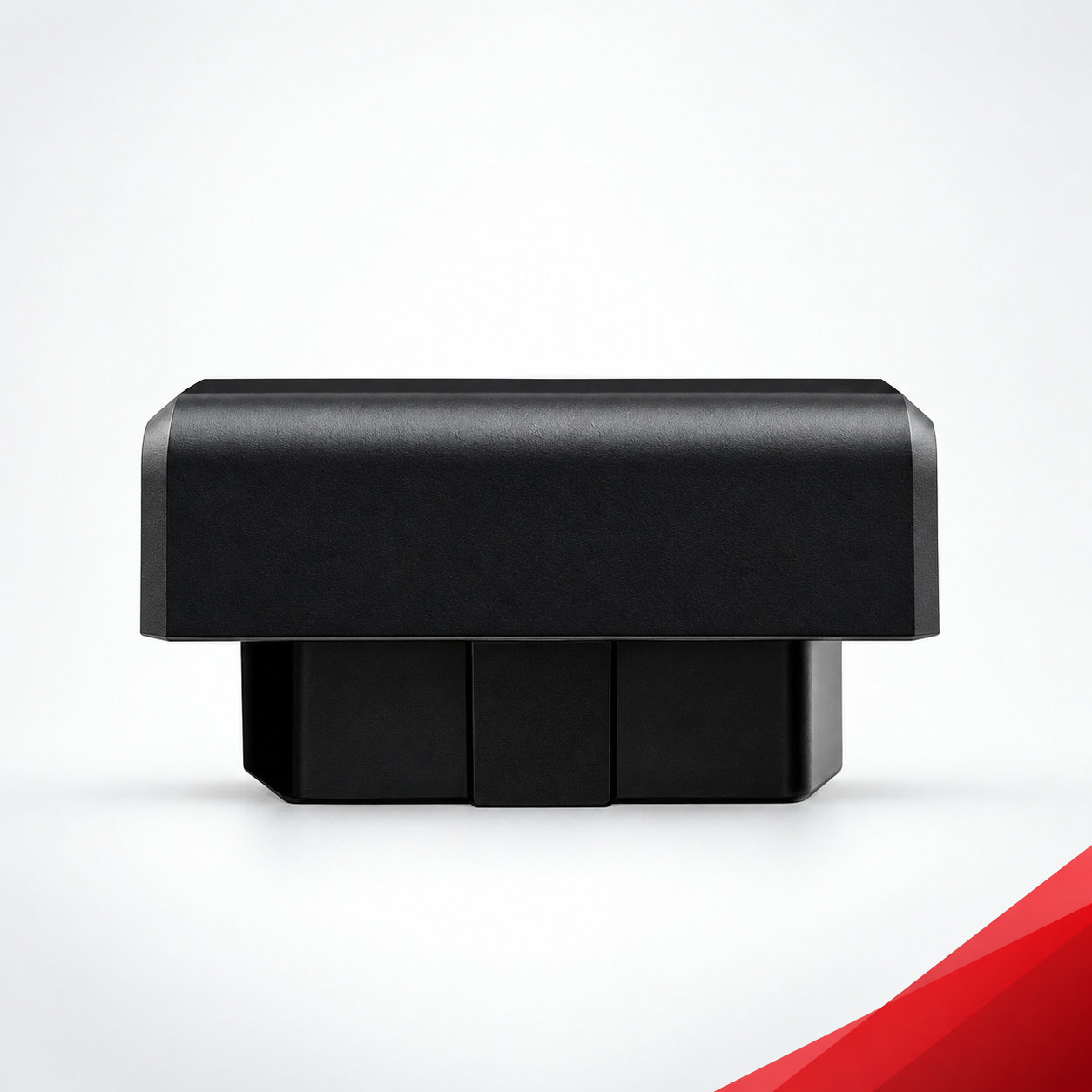
What Makes an OBD Control Module Vehicle-Specific?
The OBD connector provides a physical interface, but the module must also understand the vehicle signals used for gear position, door status, locking, windows, sunroof or warning lights. Those signals and control rules can change across models, generations, trims and sales markets.
A connector that fits does not prove protocol compatibility. Buyers should match the module version to the exact vehicle and confirm which functions are supported before ordering.
Choose the Product Route
Honda Auto-Lock and Warning Module
The Honda vehicle-specific OBD auto-lock module is a plug-in product for defined Honda model-year groups. Supported configurations can provide D-gear auto-lock, P-gear unlock, repeat locking, door-open warning flash and reverse warning flash.
The current source matrix references selected CR-V, Breeze, Civic, Jade, Crider, Accord, City, XR-V, Vezel, Fit, Life, Odyssey, Spirior, Elysion, Envix and Inspire applications. Each model, year, market, transmission and trim still requires confirmation.
Changan Window-Closing and Auto-Lock Module
The Changan OBD window-closing and auto-lock module covers defined Eado, Eado XT, Alsvin V7, CS15, 2016 CS35, CS55, CS75 and CS95 configurations. Depending on the selected version, functions can include window closing, door locking and optional sunroof closing.
A, A1, A2, B, B1, C, D, CS55 and sunroof versions do not share an identical function or installation method. Most listed versions are wiring-free; the C version requires one fuse connection.
Power-Window Switch and Control Retrofit
The Automatic Power Window Switch Retrofit Series combines a model-matched illuminated switch with configuration-dependent functions such as one-touch AUTO, lock-linked closing, pause control, ventilation-gap opening and optional mirror-folding integration.
The illustrated Buick-oriented setup is representative only. The switch housing, rear connector, pin layout and vehicle control logic must be matched before ordering.
Function Matrix to Confirm
| Function | Verification Question |
|---|---|
| Automatic lock | Which gear position, speed or ignition event triggers locking? |
| Automatic unlock | Does unlocking occur in P, after ignition-off or under another condition? |
| Window closing | Which windows close, and what happens if an obstruction is detected? |
| Sunroof closing | Is a separate module version required? |
| Warning flash | Which door-open or reverse event triggers the indicators? |
| One-touch AUTO | Which windows and switch positions support automatic operation? |
| Ventilation gap | How is partial opening activated and stopped? |
| Mirror folding | Is the factory mirror system compatible with the selected configuration? |
Use written function definitions. General labels such as “auto lock” or “window closer” can hide important differences in trigger logic and supported vehicle functions.
Vehicle Fitment Information Required
- Vehicle brand, exact model and model year or generation
- Destination country or sales market
- Trim, transmission and drive side when relevant
- VIN region or production date when available
- Factory locking, window, sunroof and mirror-folding functions
- OBD port, dashboard, switch and connector photos as applicable
- Required functions and functions that must remain unchanged
- Sample quantity, production forecast and OEM/ODM requirements
For a switch retrofit, front and rear photos of the original switch are essential. For an OBD module, the model-year-market combination and factory electrical configuration are the primary inputs.
Installation Method and Risk Review
- Confirm plug-in, fuse connection or harness installation.
- Verify that no factory wire cutting is required when a plug-in version is promised.
- Check the module location and clearance around pedals or trim.
- Confirm sleep behavior and monitor for abnormal battery drain.
- Review removal and return-to-original procedures.
- Define installation instructions and warnings for the destination market.
“Plug and play” describes installation, not universal compatibility. Even a wiring-free module should be validated on representative vehicles.
Sample Evaluation Checklist
- Record the vehicle, module version and installation method.
- Check startup, sleep and repeated ignition cycles.
- Test every lock and unlock trigger in the written specification.
- Test windows and sunroof through full and interrupted cycles.
- Verify warning-flash behavior without creating confusing signals.
- Confirm original switches, remote keys and safety functions remain usable.
- Repeat tests after the vehicle has been parked and restarted.
- Approve the exact golden sample and application list before production.
Record failures by vehicle, year, trim, module version and test condition. This makes the result useful for product selection and after-sales support.
Questions to Ask the Supplier
- Which exact vehicle years, markets and trims are validated?
- Which functions are included in each module version?
- Which versions are wiring-free and which require a fuse or harness connection?
- What photos or VIN information are needed for fitment confirmation?
- What is included in the sample and production package?
- Can the label, packaging, manual or startup behavior be customized?
- How should compatibility issues be documented during sample testing?
Common B2B Sourcing Mistakes
- Buying by connector shape without checking the vehicle protocol
- Using a broad model name without model year, market or trim
- Assuming every version includes window, sunroof and warning functions
- Ignoring transmission or original switch differences
- Approving one vehicle test as proof for an entire model family
- Changing the production configuration after the golden sample is approved
Frequently Asked Questions
Can one OBD module cover every model from one brand?
No. Compatibility and function coverage depend on the platform, year, market, trim, transmission and module version.
Does plug-in installation mean no testing is needed?
No. Plug-in installation reduces wiring work, but representative vehicles must still be tested for function logic, sleep behavior and original-system operation.
What is the best first sample?
Choose the exact module version for a well-documented target vehicle that represents the intended sales program.
When should production be approved?
Approve production after the written application list, function matrix, installation method and golden sample test record are aligned.
Compare the complete Vehicle-Specific OBD & Control Modules range before selecting a sample.