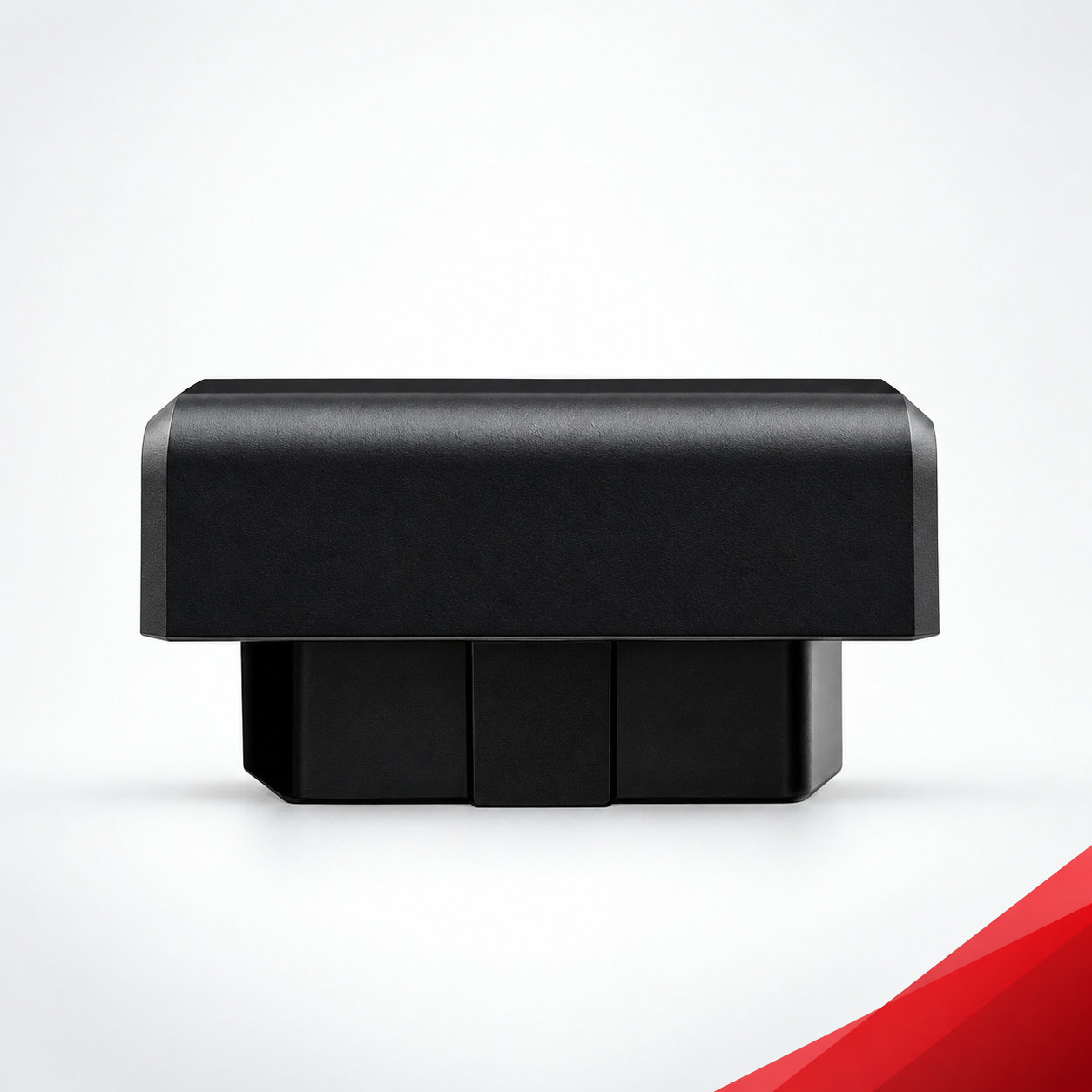
A private label dash camera program starts with a written project brief, not only a logo file. Buyers should define the target market, vehicle applications, camera platform, recording configuration, optional connectivity, firmware/app requirements, branding, packaging, compliance documents, sample approval process, forecast quantity and delivery plan. Clear inputs allow the supplier to confirm what can be configured, what requires development and which items must be validated before production.
Private Label Dash Camera Program Requirements at a Glance
| Input group | Information the buyer should provide | Output to confirm |
|---|---|---|
| Commercial scope | Target market, sales channel, forecast quantity, launch target and replenishment plan | Program route, quotation assumptions and timing |
| Vehicle scope | Brand, model, year/generation, market, trim and mirror/sensor photos | Housing, connector and fitment path |
| Product platform | Hidden camera, mirror camera or other format; front-only or front/rear | Base platform and sample configuration |
| Video requirements | Required channel resolution, audio, night-use priorities and storage expectations | Camera/recorder specification and evidence plan |
| Optional functions | Wi-Fi/app, GPS, 4G, ADAS or DMS only when required | Supported feature list and test conditions |
| Software | Languages, default settings, app/firmware branding and update policy | Software scope, responsibilities and version reference |
| Branding | Logo files, colors, model names, labels and serial-number rules | Artwork proofs and approved naming |
| Packaging | Box style, manual language, accessories, barcode, carton marks and market warnings | Packaging bill of materials and signed proofs |
| Compliance | Destination-country requirements and requested reports/certificates | Document list, gaps and responsibility matrix |
| Approval | Sample test owner, acceptance criteria, change control and golden-sample custody | Approval record and production reference |
1. Define the Market and Commercial Scope
State where and how the product will be sold. A fleet installer, automotive-accessory distributor, online private label and dealership program may require different packaging, languages, installation support and documentation. Provide the destination countries, planned launch window, expected first-order range, annual forecast and replenishment pattern.
Do not request a fixed MOQ before the configuration is known. The practical minimum and tooling or customization cost can change with the housing, electronics, software, accessories, printed packaging and certification scope. Ask the supplier to quote the approved configuration at realistic quantity tiers.
2. Send an Exact Vehicle Fitment List
Vehicle-specific programs require more than a brand name. For every target application, provide the model, year or generation, sales market, trim, original rearview-mirror base, rain-sensor cover and any factory camera or driver-assistance equipment. Clear photos from multiple angles help distinguish similar vehicles.
- Vehicle brand and commercial model name
- Model year or generation
- Destination market and steering position when relevant
- Trim or factory option differences
- Rearview-mirror base and windshield/sensor-cover photos
- Existing connector and power-source photos
- Representative test vehicle availability
- Priority applications for the first sample batch
Review the vehicle-specific dash camera selection guide before freezing the first sample list.
3. Choose the Product Platform and Recording Configuration
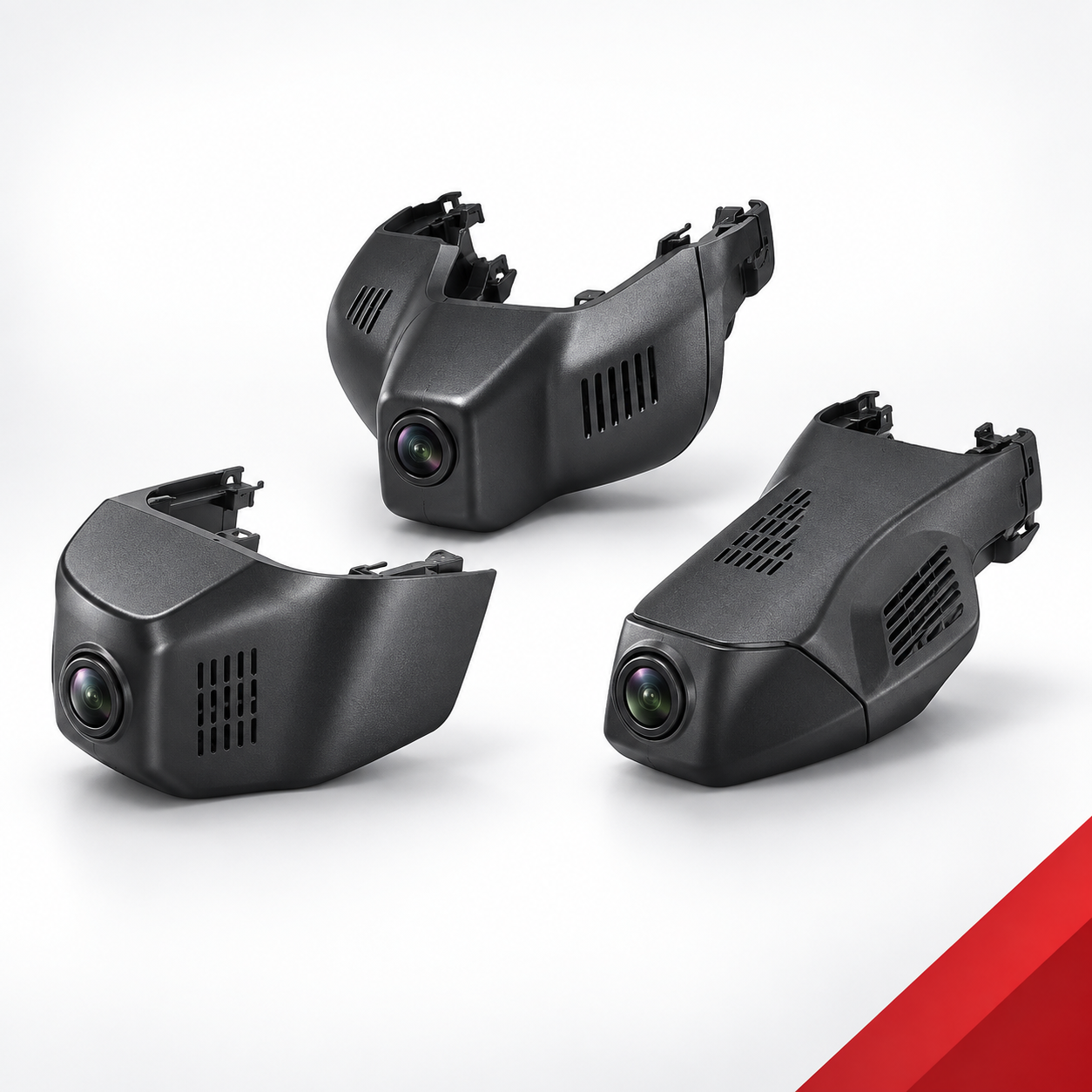
Identify whether the program needs an OEM-style hidden dash camera, an LVDS mirror dash camera platform or another form factor. Then define front-only versus front/rear recording and the required resolution for each channel.
Available 1080P, 2K and selected 4K options depend on the recorder platform and configuration. The buyer should request sample files from the exact channel combination rather than approving a product from a headline resolution or another model’s footage.
| Decision | Buyer question |
|---|---|
| Housing/form | Is factory-style concealment, a mirror display or broad-fit installation the priority? |
| Channels | Is front-only sufficient, or is a rear camera mandatory? |
| Resolution | What resolution is required for each channel in the selected platform? |
| Storage | What card capacity, file length and overwrite behavior should be evaluated? |
| Audio | Should audio be enabled, disabled or user-selectable by default? |
| Installation | What harness, cable length, connector and trim steps are acceptable? |
4. Separate Mandatory and Optional Functions
Create three lists: mandatory, optional and not required. Wi-Fi/app access, GPS, 4G, ADAS, DMS, G-sensor event recording, parking functions and voice recording are not universal across every dash camera platform. A feature should enter the quotation only after the supplier confirms it for the selected hardware and software version.
| Function | Information to define | Sample evidence |
|---|---|---|
| Wi-Fi/app | Phone platforms, languages, live view, playback, download and settings | Pairing, reconnect and file-transfer test |
| GPS | Route/position requirement and display/export format | Recorded route and timestamp comparison |
| 4G | Country/network, SIM responsibility and required remote function | Connection and recovery test in the target network |
| ADAS | Required warnings and calibration conditions | Agreed road scenarios and limitation record |
| DMS | Required alerts, driver position and installation angle | Agreed driver scenarios and result log |
| Parking mode | Trigger, duration, power method and battery-protection expectation | Shutdown/standby/restart and power-behavior record |
5. Specify Firmware, App and Data Responsibilities
Confirm the default time zone, date format, audio setting, recording loop, on-screen language and product model shown in the software. If an app is included, define the app name, icon, store-account responsibility, supported phone systems, privacy links, update ownership and support route.
Agree on how firmware versions will be named, approved and updated. The production reference should identify the exact version used in the approved sample. Any later change should have a change notice, reason, affected functions and retest scope.
6. Prepare Branding and Product Identification
- Vector logo and approved color references
- Brand name, product name and model code
- Device label size, location and required markings
- Serial-number, date-code or batch-code format
- Startup image, app name or firmware branding when supported
- Logo placement on accessories, manual and packaging
- Trademark-use confirmation and artwork approver
Ask for a digital proof before a physical branded sample. Check spelling, model consistency, contrast, label adhesion and scanability. The approved artwork file should have a version number and should not be replaced from an email screenshot.
7. Define Packaging, Manuals and Included Accessories
List every item that must be inside the retail box: camera, rear camera when selected, harness, cables, mounts, trim tools, memory card when included, labels, quick-start guide and warranty information. Define manual languages, installation diagrams, carton materials, barcode type, recycling marks, country warnings and master-carton labels.
Packaging should protect the exact kit through the agreed transport route. The sample approval should include the device fit inside the insert, accessory separation, cable protection, carton dimensions, gross weight and a packing photo.
8. Build a Compliance and Documentation Matrix
The buyer should identify destination-country requirements and the sales claim that each document must support. Request the report scope, model identity, applicant/manufacturer fields, validity and configuration coverage before using a certificate image on packaging or a website.
Do not assume that one report covers every housing, wireless module, accessory, charger or private-label model name. Create a responsibility matrix for testing, document ownership, artwork references, translations and any market-specific registration.
9. Freeze the Sample Approval and Change-Control Process
Use the OEM dash camera sample evaluation checklist to document vehicle fitment, power behavior, video evidence, file integrity, app/connectivity, packaging and corrective actions. Define who can approve the sample and which failures require a new sample.
- Approve the exact target vehicle and sample configuration.
- Record device serial number, firmware, app version, storage card and accessories.
- Complete installation and functional tests against written acceptance criteria.
- Issue a numbered corrective-action list for every deviation.
- Retest affected items on the revised sample.
- Sign the final specification, artwork and packaging proofs.
- Seal a golden sample and retain the original evidence files.
- Require notification and approval before production changes.
Copyable Private Label Dash Camera RFQ Brief
Company/brand:
Target countries and sales channel:
Vehicle applications:
Required platform: hidden / mirror / other
Recording: front-only / front + rear; resolution by channel
Mandatory functions:
Optional functions:
Firmware/app languages and branding:
Logo, model and label requirements:
Packaging, manual and accessory requirements:
Compliance/document requirements:
Expected first-order range and annual forecast:
Target sample and launch dates:
Representative test vehicles available:
Additional acceptance criteria:
Browse the vehicle-specific Dash Cameras & ADAS range and review the co-development process before sending the RFQ brief.
Frequently Asked Questions
What can be customized in a private label dash camera program?
Depending on the platform and project, discussions can include vehicle housing, camera configuration, optional functions, default software settings, logo, labels, model naming, manuals, accessories and packaging. Availability must be confirmed for the selected sample.
What is the MOQ for a private label dash camera?
There is no single responsible answer before the configuration is defined. Housing, electronics, app/firmware work, printed packaging, accessories, certification and artwork can change the practical minimum. Provide a forecast and ask for quantity-tier quotations for the approved scope.
Can one sample approve several vehicle models?
Only when the supplier and buyer have documented that the same housing, connector and configuration cover those applications. A test on one generation or market should not automatically be extended to another.
What should be frozen before mass production?
Freeze the product specification, vehicle list, hardware, firmware/app version, accessories, labels, artwork, packaging, manuals, acceptance criteria, approved deviations and golden sample. Changes should follow a documented notice and retest process.