
Honda OBD auto-lock module fitment depends on the exact model, generation or model year, destination market, transmission and factory vehicle configuration. The source application matrix covers selected CR-V, Breeze, Civic, Jade, Crider, Accord, City, XR-V, Vezel, Fit, Life, Odyssey, Spirior, Elysion, Envix and Inspire groups. Buyers should use this list to identify a sample candidate, then confirm the exact module version and functions before ordering.
Honda OBD Auto-Lock Fitment at a Glance
| Application group | Model years or generation stated in the source |
|---|---|
| CR-V | 2012–2016; 2017–2020; 2021–2024 |
| Breeze | 2019–2024 |
| Civic | 2012–2015; 10th generation 2016–2021; 11th generation |
| Jade 1.8 L | 2014–2020 |
| Crider | 2013–2018; 2019–2024 |
| Accord | 9th / 9.5th generation 2014–2017; 10th generation 2019–2023; 11th generation |
| City | 2015–2019 |
| XR-V / Vezel | 2015–2022 |
| Fit | 2014–2020; 4th generation 2021–2024 |
| Life | 2021–2024 |
| Odyssey | 2014–2018; 2019–2021, including the listed hybrid configuration |
| Spirior | 2015–2017 |
| Elysion | 2015–2018; 2019–2021, including the listed hybrid configuration |
| Envix | 2019–2021 |
| Inspire | 2019–2024 |
This table is a sourcing reference, not a universal compatibility guarantee. Model names and calendar years can cover different electrical platforms, transmissions and trim configurations in different countries. Confirm the market-specific vehicle before approving a sample or production order.
Functions to Confirm for Each Vehicle
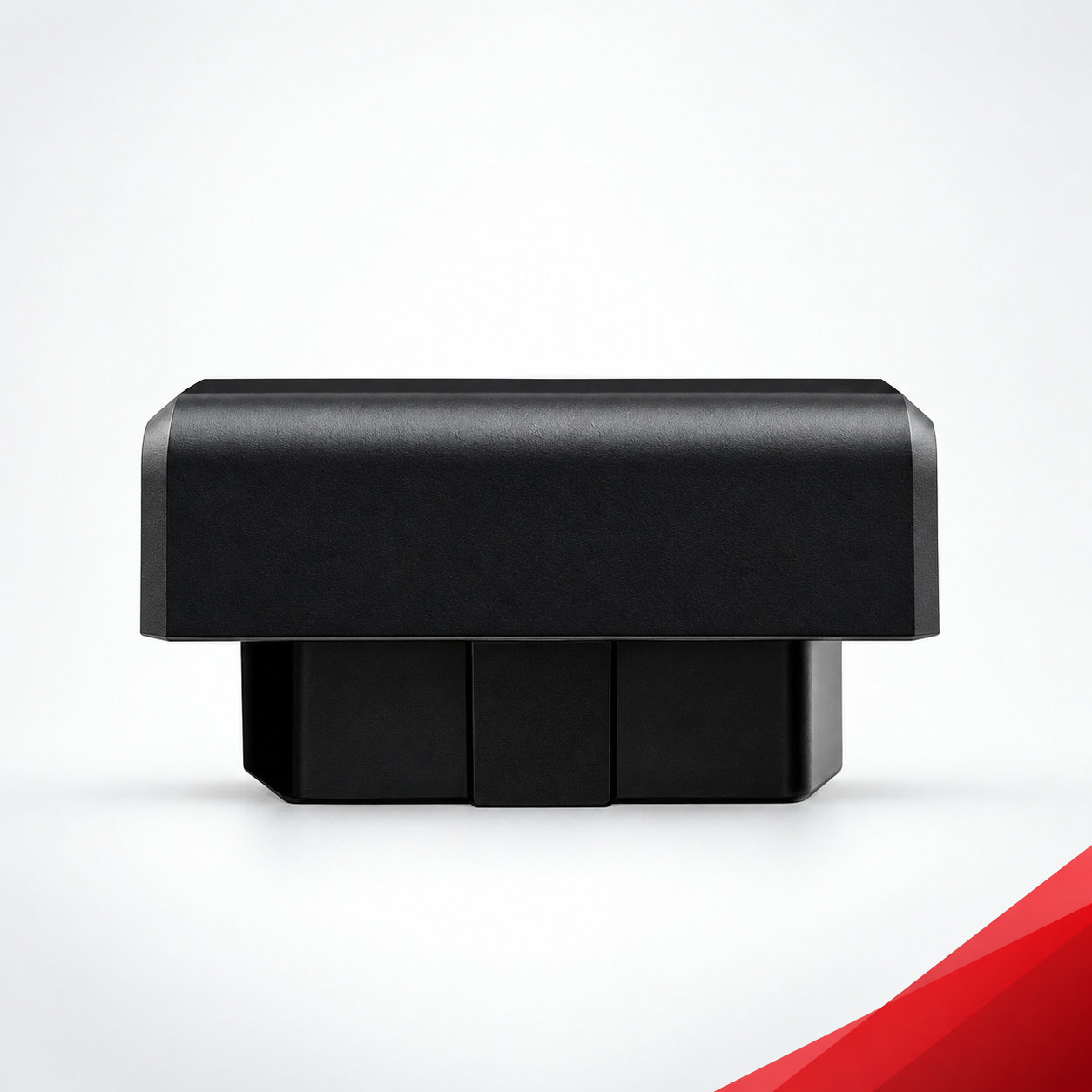
The vehicle-specific Honda OBD auto-lock module uses a plug-in OBD connection for supported configurations. The available function set can include the following items:
- D-gear automatic locking: the four doors lock after the selector is moved into D on supported automatic-transmission configurations.
- P-gear automatic unlocking: the doors unlock after the selector is moved into P on supported versions.
- Repeat locking: after a P-gear unlock event, moving back into N or D can trigger another locking cycle.
- Door-open warning flash: the indicators can flash when a door is opened with the ignition on, subject to the selected module version.
- Reverse warning flash: the indicators can flash during reverse to improve visibility around the vehicle.
Do not assume every vehicle in the application list supports every function. The written quotation, approved sample and production label should identify the exact function combination.
Information Required Before Fitment Confirmation
| Buyer input | Why it matters |
|---|---|
| Exact Honda model | Similar model names can use different platforms or regional configurations. |
| Model year or generation | The network and locking logic can change between generations and facelifts. |
| Destination country or sales market | A model sold in two markets may not share the same electrical configuration. |
| Transmission and trim | D/P trigger logic and available vehicle signals may differ. |
| VIN region or production date | This helps distinguish vehicles near a model-year or facelift transition. |
| Required functions | The correct module must match the requested locking and warning behavior. |
| OBD port and dashboard photos | Photos help resolve uncertain or non-standard configurations. |
| Sample vehicle availability | A representative vehicle is required for a reliable functional test. |
How Distributors Should Read the Model-Year Matrix
Treat each year range as a separate application group
For example, CR-V 2012–2016, 2017–2020 and 2021–2024 are listed as distinct groups. A test completed on one group should not be used as proof for the other two. Keep sample records and production labels separated by the confirmed application.
Do not replace generation data with an estimated year
The source identifies some applications by generation, including the 11th-generation Civic and Accord. When a customer provides only a registration year, confirm the actual vehicle generation before selecting a module.
Separate market names and related platforms
XR-V and Vezel appear together in the source range, but the commercial name alone does not prove identical fitment in every market. The same caution applies to market-specific models such as Breeze, Crider, Envix and Inspire.
Eight-Step Sample Validation Process
- Record the exact model, year or generation, market, trim and transmission.
- Photograph the vehicle identification information, dashboard and OBD installation area when required.
- Confirm the module version and written function matrix before installation.
- Install the module without modifying the factory wiring when the approved plug-in version is used.
- Test D-gear locking, P-gear unlocking and repeat locking through multiple cycles.
- Test door-open and reverse warning flashes under the defined operating conditions.
- Park, restart and retest the vehicle to check startup and sleep behavior.
- Approve the golden sample and add only that verified configuration to the distributor fitment list.
Record each result against the exact vehicle and module version. A pass on one representative vehicle is evidence for that configuration, not for every vehicle carrying the same model name.
Fitment List Fields for Wholesale Programs
- Brand and commercial model name
- Generation and confirmed model-year range
- Destination market
- Transmission and relevant trim notes
- Module version or internal item code
- Supported locking and warning functions
- Installation method
- Sample test date and test vehicle reference
- Approved packaging, label and instruction version
- Revision date and person responsible for the update
For broader program planning, use the Vehicle-Specific OBD Module Buying Guide and compare the complete Vehicle-Specific OBD & Control Modules range.
Frequently Asked Questions
Is every Honda model year in the table automatically compatible?
No. The table identifies source application groups. Market, trim, transmission, production timing and factory configuration still require confirmation.
Does the module require factory wire cutting?
The supported product source describes plug-in OBD installation without cutting the factory wiring. Confirm that the selected sample is the correct plug-in version for the target vehicle.
Can one sample approve several generations?
No. Test and approve each distinct application group. Keep separate records when the source matrix separates a model into multiple year ranges or generations.
What should a buyer send for an uncertain vehicle?
Send the model, year or generation, market, transmission, trim, VIN region and clear dashboard or OBD-area photos. State the exact functions required.
For OEM/ODM preparation, review the co-development process before finalizing sample requirements.